


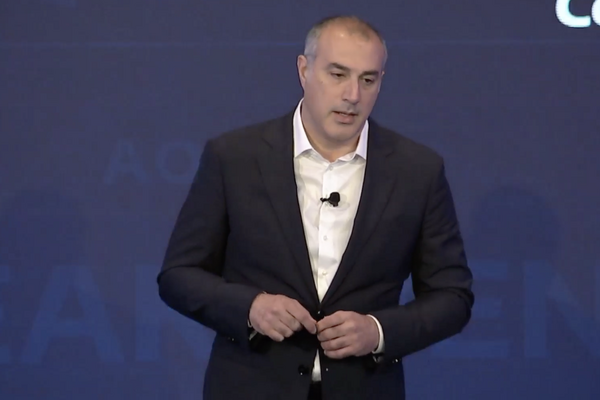
Emanuele Cappellano (Stellantis): “We want to increase our industrial utilization from 60% to 80%”

“Wider Europe is the heart of Stellantis identity and history”he reminded Emanuele Cappellano to start your presentation. The manager emphasizes that several of the group’s brands were born on the continent “More than a century ago.
Strong position in Europe
Stellantis now claims a dominant position in several key markets. In 2025, the group sold “2.5 million vehicles in 45 countries”either “almost half of Stellantis’ global volumes”. The manufacturer presents itself as “the second largest car manufacturer in Europe”, “number one in commercial vehicles”, “number one among hybrids” and leader in France and Italy.
According to the group, the first quarter of 2025 confirms positive dynamics. “Deliveries are up 12%, our market share is up 20 basis points and battery electric vehicle sales jump 24%”in detail by Emanuele Cappellano.
50 product launches by 2030
Stellantis’s European strategy is based on three pillars: strengthening brand differentiation, improving cost competitiveness and increasing the utilization of industrial capacities. The group plans primarily “more than 25 new models and more than 25 restylings”or nearly 50 launches by 2030. “These launches will increase our market coverage by 25% and allow us to renew almost the entire European portfolio”the leader pointed.
Most of the new features will cover segments A, B and Cconsidered strategic. “Stellantis is already a leader in small vehicles and we will strengthen this position”explained Emanuele Cappellano. The C segment is also a priority. “It will represent 30% of the European market by volume and also represent the main source of profits”he emphasized.
Freedom of technological choice
In connection with the accelerated electrification of the European market Stellantis continues to advocate a multi-energy approach. “We believe in freedom of choice for customers”insisted Emanuele Cappellano. The group plans to expand “35% off engines on new battery electric, hybrid and plug-in hybrid vehicles”.
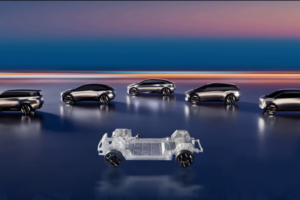
The manufacturer relies heavily on it STLA One platform, which he says will enable “cut costs by 20%” while he remains “competitive regardless of electrification level”. Peugeot will be the first brand to deploy this architecture in 2027, sooner Opel, Jeep AND Alfa Romeo.
Stellantis is also preparing an offensive for small, affordable electric vehicles. “In 2028, we will open a new segment of the European market focused on accessibility, p 100% electric vehicles for less than 15,000 euros »the leader announced. This future line will be produced at the Italian factory in Pomigliano d’Arco.
Industrial rationalization without factory closure
At the same time, the group wants to significantly improve its industrial profitability. “Today, our utilization rate is around 60%. Our ambition is to reach the benchmark of 80%.”said Emanuele Cappellano.
To achieve this, Stellantis plans to reduce its production capacity “800,000 units”, but “without closing the factory”. In particular, the manufacturer intends to rebuild some industrial premises, share capacities with its partners and, thanks to future launches, increase product volumes. For example, Stellantis has already announced transformation of the Poissy site “from car assembly to parts production and circular economy hub”.

Strengthened partnership with China
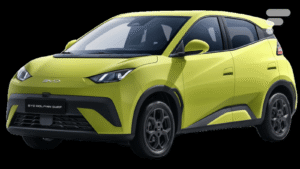
Stellantis’ European plan also includes intensification of industrial cooperation with Chinese partners. The group intends to accelerate development Jump engine in Europe. Joint venture between the two groups sold “34,000 vehicles in Europe” in 2025 and this volume “It is expected to double this year”.
Stellantis also plans to strengthen its ties with Dongfeng engine through a new European joint venture, 51% owned by the French-Italian-American manufacturer. According to Emanuel Cappellano, these alliances make it possible “synergies of scale, capital and cost while accelerating execution.”